


Basement projects often look easy at first, especially if the room is already finished. Homeowners usually find that they have much more trash than they thought they would once the work starts, because basements often hide many layers of old building work and repairs that no one wrote down. Every time a wall opens or a floor comes up, those extra layers add to the pile. What starts as a simple update can turn into a big cleanup that needs a good plan.
Hidden Building Materials.
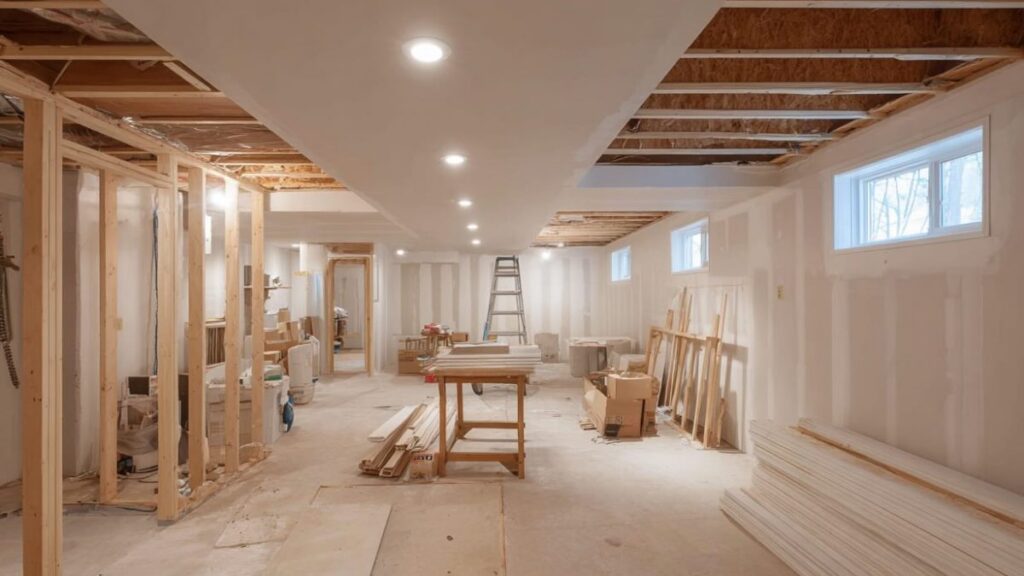
Basements often have hidden parts that make a lot of extra waste. Many older houses were finished bit by bit over many years – there are often layers of drywall, wood frames and wall panels stacked on top of each other. Contractors have to take out all those old materials before they can start something new – this stacking is a main reason why the pile of trash grows so fast.
Previous owners also might have added things like temporary walls or old storage bins – these items stay hidden behind the finished walls. Workers have to pull them apart plus throw them away once they find them, which adds more bulk to the waste.
Removing Wet or Damaged Parts.
Water is a common problem in basements and is a big reason for extra waste. Even small leaks or damp air can cause mold, soft drywall and ruined insulation. People have to throw away all these damaged pieces to make sure the new room is safe but also solid.
Damage from water often moves into spots you cannot see, like the padding under the floor or the stuff inside the walls. Contractors find more rot than they expected when they open these areas, which means they have to do more work to take things out and throw away more materials than they planned.
New Wires & Pipes.
Fixing up a basement usually means putting in new electrical and plumbing systems. Old wires often do not meet modern safety rules – workers have to replace everything instead of just fixing a small part. They pull out as well as toss away old wires, metal boxes and tubes once the walls and ceilings are open.
Pipes in the basement are also tricky because they connect to the main lines of the house. Old pipes or fittings must go so that modern systems can fit – these items are heavy and take up a lot of space in the trash, especially when many lines run through the same small area.
Planning for the Trash.
A good plan for the trash is very important for a basement project. The mess can slow down the work and be dangerous if it piles up too much. Many people choose to get a trash bin early so they do not have to stop once the tearing down begins. As an example, getting a dumpster rental Alpharetta service before starting helps keep the area clean as the work happens.
Choosing the right size for the bin is also helpful – A 10 yard dumpster is usually a good size for small or medium basements because it holds heavy items but is not too big for the driveway. Setting a schedule for the trash helps the work move fast and keeps the site organized.
Sorting Waste.
Renovating a basement makes waste hard to handle because things get mixed up when you tear them apart. Wood, insulation and metal often end up in the same pile. You have to spend extra time sorting these items because they go to different places for recycling or disposal.
Basements are small, which makes the problem worse – You don’t have much room to pile things up – you often stack different materials together – this makes a pile that looks small much harder to deal with. It adds a lot of work and takes up more of your time.
Taking Out Concrete & Floors.
Concrete and floor work are other big sources of heavy trash. Some basements have floors made of thick stone next to sand that workers must cut or break to fix pipes or stop dampness – this creates heavy waste that is harder to move than normal trash.
Old floor tiles, glue and wood layers also have to go – These materials often break down and stick hard to the ground over time. Taking them up is hard work plus creates more waste than most people expect when they start.
Conclusion.
Basement projects create extra waste since they often involve hidden layers, water damage, new pipes and heavy floors. Layers under the surfaces, materials ruined by moisture, metal tubes and dense flooring appear as the work progresses. You will likely find more trash during the job than you could see at the start. Preparation is helpful so you can handle the cleanup as things come up. It is good to manage the waste well because this keeps the project moving and the workspace safe.
