


Gradual increases in walking distance help the body manage continuous motion without tiring too quickly. Pacing matters just as much as routine commitment when building stamina over weeks. Signals from the body – like soreness or breath changes – offer guidance if noticed early. Too often, eagerness replaces patience, resulting in setbacks rather than gains. Improvement unfolds slowly, shaped by repetition and mindful effort instead of intensity. Over time, regular walks feel less taxing, opening space for easier movement throughout the day. Mobility strengthens quietly, supported simply by persistent, measured steps forward.
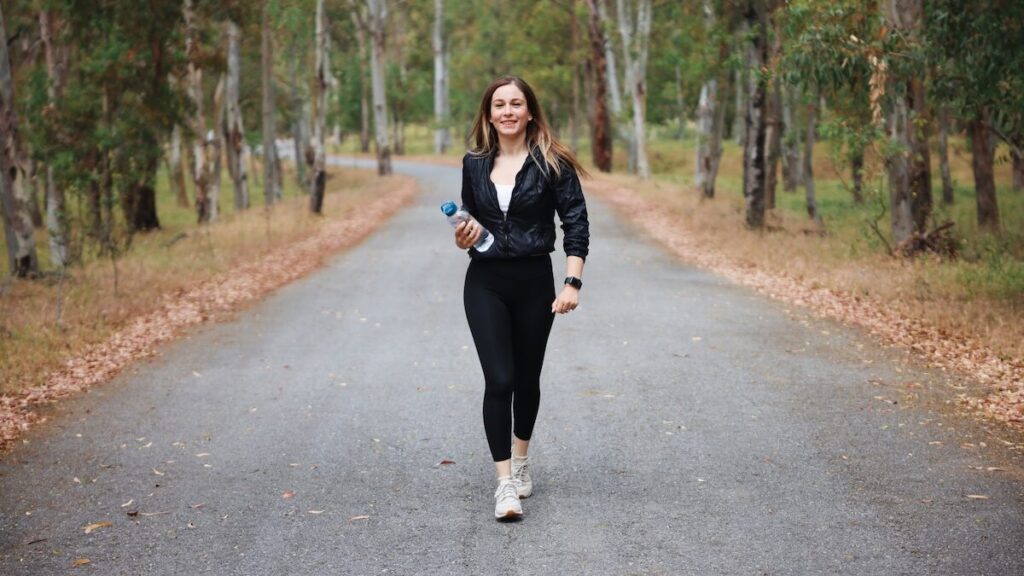
Baseline Walking Capacity Explained.
To begin building stamina during walks, recognize present capacity without exceeding secure boundaries. Noticeable ease in movement reveals distance and duration possible prior to tiredness emerging. Breathing rhythm, tightness in muscles, stillness in joints – these signals mark an initial reference. Such awareness avoids strain, shapes achievable targets ahead. With this stage identified, small shifts follow, honoring physical feedback while fostering consistent progress across days.
Building Stamina for Walking.
To walk farther, muscles involved in motion and balance must grow stronger through regular effort. Movement relies on coordination between leg power, hip control, and central stability. Efficiency increases when resistance training is introduced slowly into routine practice. Without adequate stretch in lower limbs, stride quality may decline gradually over distance. Smoother progress emerges once strength, flexibility, and alignment receive steady attention across weeks. Less fatigue appears naturally when physical systems function in closer harmony during travel.
Joint Support and Flexibility.
Despite its quiet role, joint performance shapes how easily one moves through daily steps. When motion slows in knees, ankles, or hips, energy drains faster, shortening how far a person tends to go. Without steady motion, tissues tighten, altering natural flow. Through gentle reaching motions repeated over time, flexibility finds better balance. Over weeks, small patterns done without pause allow strides to link more freely. Eventually, moving more freely lowers chances of aching when active for extended periods. Gradually, how joints work supports smoother motion, building stamina during walks.
Staying on Track With Training Over Time.
Over time, stamina grows when walking follows a clear pattern. A bit farther each week gives the body space to adjust safely. Rather than pushing hard, showing up often creates better results. Gaps that stretch too long tend to pause forward motion. Small steps repeated daily keep energy pathways active. Progress stays stable if pacing remains even. Too much at once invites fatigue, yet gentle increases add up. Rhythm matters because it shapes how well the system responds. Long stretches of rest interrupt what consistency strengthens. Movement done regularly forms resilience slowly. Pushing beyond limits brings little gain compared to measured effort. The body adapts best without sudden spikes.
Building a Walking Habit That Lasts.
A pattern of walking that lasts begins not with intensity but with achievable targets. Though brief, repeated outings add up where rare extended ones often fall short. Recovery moments fit between efforts to slow down wear, keep energy steady. Gradual steps forward let physical change happen without strain. Consistency, quietly applied, turns motion into custom – effortless, expected, woven into ordinary hours.
Safety Awareness on Extended Walks.
Endurance grows more reliably when safety stays a priority during longer walks. With attention fixed on posture, foot placement, and environment, missteps and tension become less likely. Instead of just any shoes or ground, proper support comes through thoughtful choices in both boots and terrain. As effort builds, noticing tiredness before it deepens allows space to pause or ease pace. Only by tuning into physical feedback can progress continue without crossing into harm.
Handling Tiredness and Staying Energized.
When aiming to walk farther, handling tiredness matters most. Movement spread out over time supports stamina better than quick jumps in effort. Pauses that are short but timed well keep strain low while keeping progress going. Water intake matched with meals built on variety helps fuel last longer. If exhaustion gets attention early, each step feels lighter, demands less from the body, opens space for slow gains without risk to healing or balance.
Tools and Spaces That Help.
When tools and spaces support movement, stamina while walking often grows alongside self-assurance. Where pathways remain even, with rails nearby and lighting sufficient, effort – both bodily and cognitive – tends to lessen. Instead of relying solely on strength, people might rely on aids that promote steadiness when conditions demand it. At times, moving short stretches followed by seated pauses using a mobility scooter allows gradual progress where full distance still challenges. Likewise, lift chairs for seniors offer aid after activity, making repeated practice more feasible over time.
Selecting Appropriate Walking Conditions.
When paths are flat, each step flows without sudden shifts. With stable ground beneath, balance stays steady through every stride. Should winds rise or skies pour, rhythm may falter under strain. If heat presses down or frost slicks the pavement, effort grows beyond control. Through milder hours, breath remains even, limbs move freely. Where surroundings stay predictable, attention fixes only on motion itself. Over weeks, familiar settings shape routine without resistance. Certain choices lead toward longer walks simply by removing struggle. Fewer disruptions mean fewer reasons to stop before reaching distance.
Sustaining Long Term Walking Ability.
Over time, keeping the ability to walk depends on steady focus – muscle strength matters, so does range of motion, alongside careful ways of moving. Not a sprint, progress shows when fitness routines stay regular. Movement builds ease in routine tasks, especially when steps add up along with helpful drills. Effort spread across weeks softens fatigue during everyday actions. Pacing oneself, staying aware, makes it more likely that each step supports lasting function. Physical confidence grows where repetition meets patience.
