


A lot of first-time workshop setups focus almost entirely on the big purchases. The drill gets attention. The workbench gets attention. Sometimes, even the storage cabinet gets chosen before the smaller accessories. Then the actual work starts. That is usually when beginners realize the small things matter just as much.
Materials move while cutting. Measurements end up slightly off. Dust builds up faster than expected. Cheap attachments wear out after a few uses, and suddenly every task feels harder than it should.
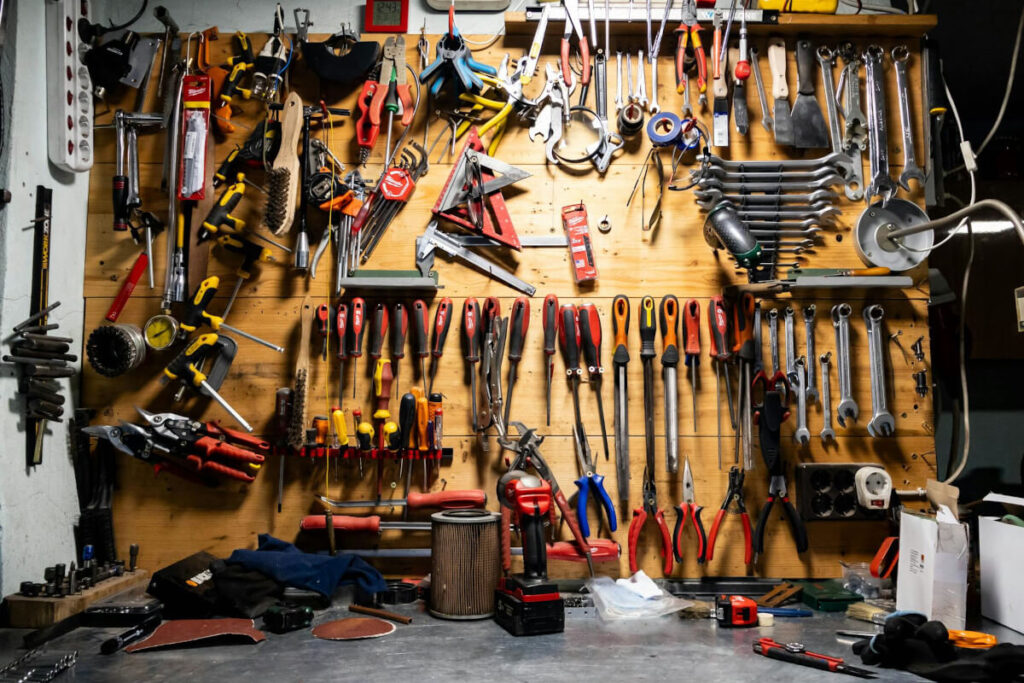
Good workshop accessories are not there to make a setup look professional. They make the work smoother, safer, and far less frustrating.
Clamps Make More Difference Than Most Beginners Expect.
Unstable material is one of the quickest ways to destroy a drilling or clean cut project. Alignment can be disrupted by even little movements, particularly while doing repetitive tasks.
Because they don’t look as exciting as power tools, basic clamps are sometimes underestimated at first. In actuality, they end up being among the most utilized tools in any workshop.
Bar clamps work well for woodworking projects, while spring clamps are useful for quick adjustments and lighter materials. Bench vices are worth considering early on, too, particularly for metal or repair work where stability matters more.
A proper clamp setup saves time immediately. There is less repositioning, fewer mistakes, and noticeably cleaner results.
Measuring Tools Are Worth Spending More On.
Cheap measuring tools create expensive mistakes. That sounds dramatic until parts stop lining up properly or cuts end up a few millimeters short. Small inaccuracies become very obvious during assembly work.
A solid beginner setup usually includes:
- A tape measure.
- A combination square.
- Steel rulers.
- Digital calipers.
Digital measuring tools have become far more common in smaller workshops over the past few years because they speed things up without adding much complexity. The National Institute of Standards and Technology (NIST) also highlights how calibration and accurate measurement directly affect consistency in technical work.
Precision does not only matter in large industrial environments. It matters during simple home projects, too.
Rotary Tool Accessories Matter More Than the Tool Itself.
Rotary tools are popular with beginners because they handle multiple tasks without taking up much space. The mistake usually happens with the attachments. Using the wrong sanding drum or cutting wheel can damage surfaces surprisingly quickly. Low-quality accessories also generate more heat and vibration, especially during longer sessions.
For drilling tasks that require better alignment and grip control, some workshops use drill collet sets to improve drilling accuracy and reduce movement during repetitive work. This becomes particularly useful when working on smaller, detailed materials where precision matters more than speed. That kind of upgrade sounds minor at first, but smoother control is something beginners notice immediately once they start using better accessories.
Dust Builds Up Faster Than Expected.
Almost nobody thinks seriously about dust management during the first workshop setup. Then sanding starts. Fine dust spreads everywhere, such as on shelves, tools, vents, and even on the corners of the workspace. It also gets into equipment over time, which slowly affects performance.
A basic shop vacuum and dust extractor hose already makes a noticeable difference. Workshops do not need expensive industrial systems at the beginning, but some level of dust control becomes necessary pretty quickly.
OSHA also provides safety guidance on workshop tools and airborne particles. Cleaner workspaces are easier to work in. That alone improves focus during detailed tasks.
Lighting Is Usually an Afterthought.
Poor lighting causes small mistakes that often go unnoticed until the project is finished. A shadow across a measuring line or drill point is enough to affect accuracy. Dim workshops also become tiring after long sessions, particularly during detailed work.
LED task lighting has become the standard choice for many smaller workshops because it produces less heat and gives clearer visibility around benches and cutting areas.
Good lighting does not make a workshop look impressive. It simply makes the work easier to trust.
Build the Workshop Slowly.
A common beginner mistake is trying to buy everything immediately. Most experienced workshop owners build setups gradually instead. Better decisions happen after real projects expose what is actually missing.
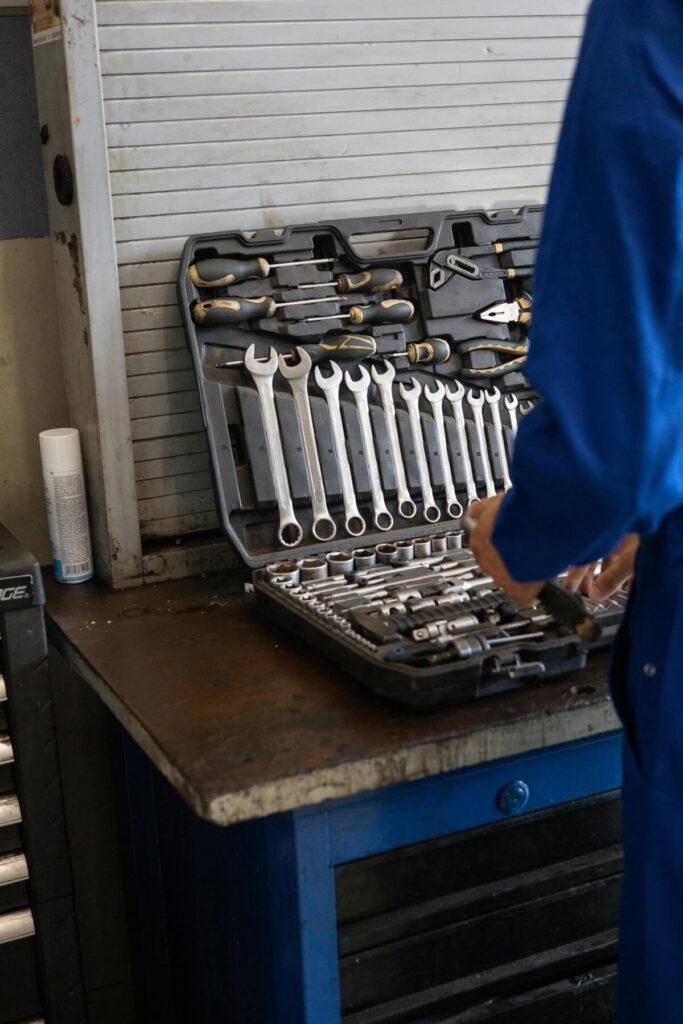
Sometimes, a simple storage rack improves workflow more than another expensive tool. Sometimes replacing low-quality accessories solves problems that looked like equipment issues. The goal is not to create a perfect workshop in one weekend. The goal is to build a workspace that feels reliable every time a project starts. That usually comes down to the smaller details far more than people expect.
