


Table of Contents:
- Introduction.
- Superior Cutting Performance.
- Extended Tool Lifespan.
- Precision and Versatility.
- Reduced Dust and Noise.
- Cost-Effectiveness.
- Safety Enhancements.
- Environmental Benefits.
- Conclusion.
Concrete cutting is a vital part of construction and renovation, demanding both precision and speed. For years, traditional cutting methods have set the standard for construction professionals, but diamond cutting has risen as the preferred choice for many experts seeking advanced performance and efficiency. If you want to improve the quality and outcome of your next project, learning the differences and unique benefits of diamond cutting is crucial. To see more on specialized concrete cutting services and innovations, visit https://bluegrassbit.com.
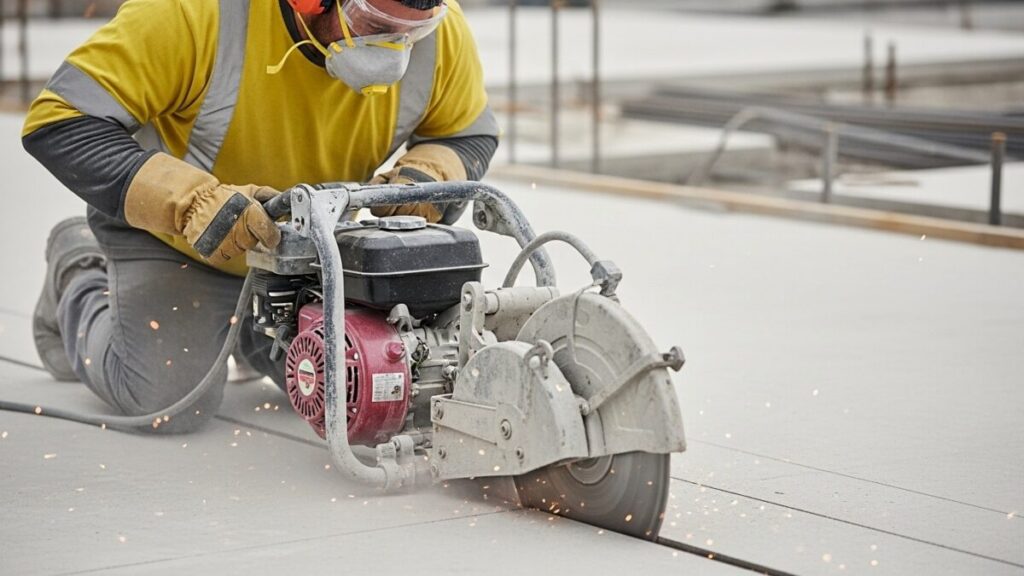
Diamond-embedded tools are changing the way construction professionals approach cutting tasks. They make it easier to handle dense, reinforced concrete and often finish jobs faster and with cleaner results. As the construction industry embraces innovative technologies, understanding why diamond cutting stands apart can help you select the most effective solution for your needs.
Superior Cutting Performance.
Diamond cutting tools set a new benchmark in cutting performance for concrete and masonry materials. By using industrial-grade diamonds that are bonded to the cutting edge, these tools grind through concrete with remarkable efficiency. Whether working on a highway overpass or interior slab, diamond blades create cleaner, more precise cuts with far less resistance. This is especially important when cutting through reinforced concrete, which can quickly degrade standard blades. The enhanced performance enables contractors to complete tasks more quickly and accurately, reducing the likelihood of errors and the need for corrective work.
Extended Tool Lifespan.
Traditional abrasive blades often struggle to maintain their sharpness and edge, requiring frequent replacement. In contrast, diamond blades are renowned for their longevity. The diamonds within the blades withstand high temperatures and repeated use, allowing contractors to get significantly more work from each blade. This durability leads to fewer replacements, reducing tool costs and limiting unnecessary project delays. This translates into lower operational costs over time and ensures a steady workflow for large projects.
Precision and Versatility.
Diamond cutting stands out for its unmatched precision, which is critical for jobs that demand exact measurements and customized cuts. Unlike traditional methods that may leave rough, uneven edges or require additional smoothing, diamond cutting delivers crisp lines and smooth surfaces. Contractors can execute complex cuts for curves, angles, or openings that otherwise would require additional tools or manual adjustments. This capability is invaluable on projects involving decorative concrete or where unusual shapes are necessary, such as in custom windows and doors. The versatility helps teams quickly adapt to changes in design or scope.
Reduced Dust and Noise.
Standard concrete cutting is often associated with clouds of dust and loud, disruptive noise. These byproducts can create health hazards, especially in enclosed or occupied spaces. Diamond cutting, particularly when paired with water-cooled (wet) cutting processes, generates substantially less airborne dust and minimizes environmental disturbances. Lower dust levels promote safer working conditions and reduce the impact on nearby communities. Meanwhile, the quieter operation makes diamond cutting more suitable for projects in schools, hospitals, or residential neighborhoods where maintaining a peaceful environment is essential.
Modern diamond cutting aligns with evolving safety and environmental best practices, making it a forward-thinking choice for the industry. To learn more about concrete dust and worker safety, refer to OSHA’s guidance on silica dust in construction.
Cost-Effectiveness.
While the upfront cost of diamond-cutting equipment may be higher than that of traditional blades, the long-term savings are significant. Diamond blades work faster, which reduces labor hours per project. Their extended service life reduces downtime when tools need to be changed or maintained. Over time, the combined benefits of speed, reliability, and reduced replacement costs result in substantial budget advantages for construction companies. These cost efficiencies are especially valuable on large-scale or ongoing projects where every saving multiplies across hundreds of square feet or dozens of cuts.
Safety Enhancements.
Diamond cutting prioritizes operator safety by producing fewer sparks, minimizing kickback, and offering smoother, more stable operation. Without the rapid wear and unpredictable performance of traditional blades, workers face less risk of sudden tool failures or blade breakages. Reduced dust and noise also contribute to better respiratory and hearing protection outcomes, supporting compliance with occupational health standards. Safer work conditions mean fewer accidents, higher productivity, and improved team morale across the job site.
Environmental Benefits.
By combining efficient material removal with less waste generation, diamond cutting contributes to greener construction practices. With straighter, more accurate cuts, there is less wasted concrete, helping conserve resources and lower disposal costs. Moreover, quieter and cleaner operations protect the environment and surrounding communities from pollution and excess debris. Choosing diamond cutting tools is a measurable way to support sustainability initiatives and responsible building practices. For further reading on sustainable construction, see the coverage in Architectural Digest.
Conclusion.
Diamond cutting clearly outperforms traditional concrete cutting methods in critical areas such as effectiveness, safety, and environmental stewardship. Its benefits, including superior cutting power, long-lasting tools, remarkable precision, less dust and noise, cost savings, and improved site safety, make it an ideal solution for modern construction projects.
As the industry shifts toward smarter, more sustainable approaches, adopting diamond cutting technologies can help your team achieve top results and contribute to the long-term success of your project.
