


Minimally invasive cosmetic surgery is a primary influence on modern aesthetic medicine – this field is moving away from extensive operations toward procedures that cause less physical disruption. Improvements in technology, clinical techniques and patient demand for short recovery times are the reasons for this change. Cosmetic surgery is now a series of specific interventions that focus on small improvements plus the maintenance of appearance over time.
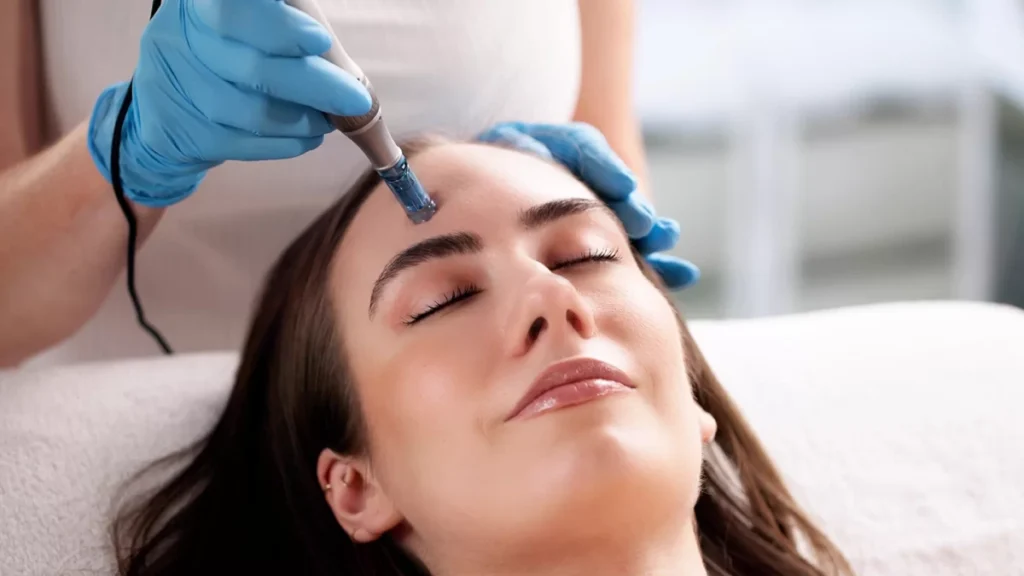
Practitioners now design treatment plans differently because of these techniques. Modern approaches combine small interventions for specific concerns instead of using one large procedure – this method is precise and reduces physical stress. Patients are interested in this model because it is flexible but also produces results that are proportionate to the natural body.
Evolution of Cosmetic Surgery Approaches.
The development of minimally invasive methods is a change in how professionals provide aesthetic procedures. Early cosmetic surgery focused on large alterations that required long recovery periods and had higher risks. Current methods focus on controlled adjustments to reach balanced results. Surgeons are able to keep natural features while they improve specific areas.
Patient expectations are different because of this shift – Many people prefer gradual changes – clinics developed procedures that occur in stages. Small incisions as well as energy based tools provide visible but small changes. Methods that were once intensive are now available in simpler formats, which changes how clinics organize consultations and services.
Technology Driving Less Invasive Procedures.
Innovation is the reason for the increase in minimally invasive surgery. Advanced imaging, precise tools or energy driven devices allow surgeons to treat specific tissue layers with little disruption – these technologies are accurate and lower trauma to nearby areas. Procedures that once required large operations are now possible with small incisions next to controlled methods.
Digital planning tools are also helpful for surgical precision. Surgeons are able to simulate results and change their techniques before a procedure, which makes the outcome more predictable – these tools increase the number of available treatments plus improve confidence in the results. Technology is the reason why modern cosmetic surgery is efficient and has a balance between effectiveness but also recovery time.
Patient Experience & Recovery Changes.
Significant improvements in recovery and the patient experience are results of minimally invasive techniques. Short healing times as well as low levels of discomfort make these procedures attractive to more people. Many individuals return to their daily routines quickly, which makes aesthetic treatments a common part of self care – this change is the reason for higher acceptance of the procedures among various age groups.
Clinical environments are also different now – A modern plastic surgery clinic is a place for comfort, privacy and recovery support. Patients have detailed plans to help them heal or maintain their results without changing their lifestyle – this approach is helpful for reducing anxiety and building trust between patients next to practitioners.
Role in Body Contouring & Facial Procedures.
Minimally invasive techniques are important for body and facial procedures. Body treatments use targeted fat reduction plus ultrasound tools for precise shaping – these techniques produce proportionate results and allow for short recovery periods. Even procedures like liposuction Toronto practices use less invasive methods to make patients comfortable but also lower downtime.
Facial procedures are better because of small instruments and treatments that protect natural expressions. Improvements in volume as well as symmetry are possible without large surgical changes. There is a preference for procedures that improve natural features rather than replace them, which supports individualized care for the face and body.
The Impact of Customizing & Personalizing Treatments.
Small medical aesthetic procedures allow practitioners to modify treatments for specific requirements more accurately than older surgical methods. Practitioners are now able to change their techniques to suit the shape of a face, the condition of the skin and the goals of the patient – these specific adjustments are helpful because they keep the results modest and in proportion with the original appearance of the person.
Personalization is also possible through combined treatments – Professionals are able to use multiple small procedures together to manage different issues within one plan. For instance, processes to add fullness, firm the skin and define shapes are available in stages to create a proportional result – this method is effective because the progress is gradual. Practitioners are then able to modify the plan as the aesthetic preferences of the patient change.
Conclusion.
The growth of minimally invasive cosmetic surgery is a permanent change in medicine. Safety or natural results are likely to become more important as technology and preferences change – this trend indicates that cosmetic enhancement is becoming a part of regular wellness routines – these options are flexible for individual needs next to focus on sustainable improvements.
