

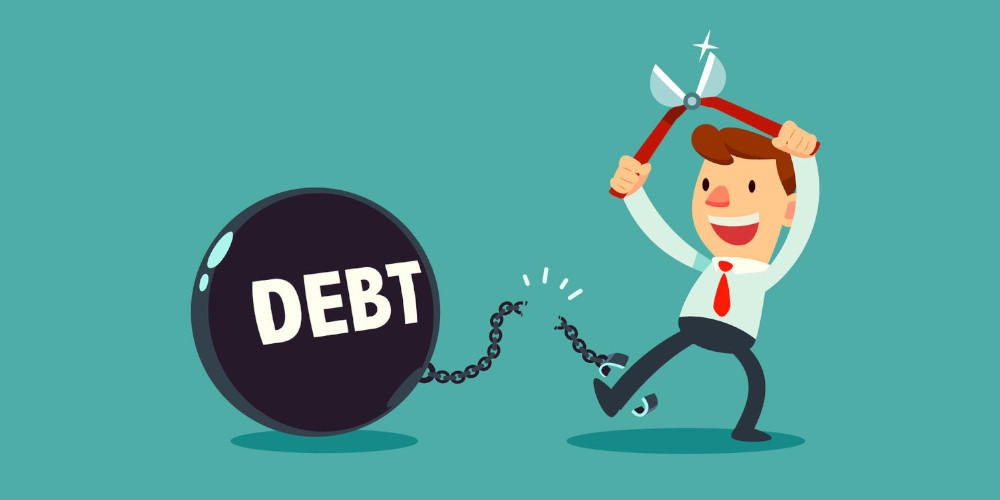
Even the most secure financial plans may be upset by financial distress or job loss that puts an urgent strain of maintaining current commitments. Debt may easily become crushing when there is a drop in income or when it stagnates, as the bills and loans and the cost of living keep piling up. An early, systematic and relaxed intervention will allow avoiding missed payments, safeguarding credit status, and eliminating stress. The aim at this stage is to bring your situation to a bare minimum, continue with key commitments where feasible and establish a viable way ahead which fits your present financial means.
Revenue And Costs Analysis.
The initial stage of managing debt in the time of trouble is to be clear about your financial status. This will include a list of all available sources of income and comparing it with the necessary costs that include housing, food, utilities, and transportation.
It is also vital to identify non essential expenditure since by cutting down discretionary spending, one can bring into attention the available limited finances alongside the vital needs. The process helps form a better image of what you are able to afford and makes decisions on which debts to give priority.
Knowing Commitments And Priorities.
When you have a clear picture of your finances, then it will be easier to use the picture to prioritize the debts that will need urgent attention. The latter can be secured by the debts that are associated with essential services and have a higher priority, and the unsecured debts can be more flexible regarding the ways of repayment.
When you are attentive to terms of every obligation such as interest rates and other penalties, you can make informed decisions. In other scenarios, prioritization of debts in order of urgency and impact might assist you not to default on those obligations that have the most pronounced effects.
Contacting Creditors Early.
When one gets into a state of financial hardship, it is significant to contact creditors to be responsible in dealing with debt. A lot of lenders would love to deal with people who are pro-communicated particularly in cases where one is only going through a difficult period.
Being frank about your circumstances and asking to be granted temporary relief measures can result in revised amendments to payment schemes, pay cuts and temporary forbearance. Timely communication is responsible and will likely help in seeking a compromising solution before accounts are delinquent.
Exploring Relief Options.
Creditors can provide a variety of possible help depending on the nature of debt and your situation. These may be payment deferrals, adjustments of interest or increased terms of repayment. Under more organized circumstances, a formal consolidation of the debts like the debt consolidation plan might be used to bundle several debts into one that is easier to pay.
Going through these choices can give you a chance to keep the progress but minimizing the number of accounts you manage. All choices must be considered according to their long term effects on financial stability.
Reorganizing Debt Positions.
In situations where the difficulty is sustained, the debt restructuring may give some more breathing space. This can include renegotiating the conditions with lenders or collaborating with financial analysts to develop a more sustainable repayment plan.
By arranging the payment schedule or lessening the rate of interest, the obligations can be easily restructured during low-income seasons. It is not only an aim to decrease the pressure now but also to fit the repayment obligations with your present financial state.
Formal Alternatives To Be Considered.
Formal options can be required in cases when debt is unmanageable. A consumer proposal is one such alternative in certain jurisdictions, and it enables persons to enter into a legally enforceable contract with creditors to pay back part of their debts through installments.
Such a strategy can offer the means to avoid collection activities and offer a systematic form of reclaiming of finances. These are only a few of the factors that have to be carefully considered when evaluating such options and determining if it is eligible, has long term implications, and whether it is generally applicable to your situation.
Long Term Recovery Planning.
Once immediate debt issues have been settled, it should concentrate on its financial strength. This involves developing a sustainable budget, reinstating savings habits and regaining credit health over time.
This can be achieved by establishing regular financial practices that would anticipate debt issues in the future and give a sense of control and security. Minimal, gradual improvement would also add to long term recovery and resilience.
Establishing Financial Strength.
Preparedness and adaptability can be very important in situations where a person is financially hardened. Creating an emergency fund, even in small form, will act as a cushion to future disturbances.
Still learning on how to manage your finances and being disciplined with how you spend the money will help you be better equipped to deal with the change that comes out of the blue. In the long term, such practices can assist to change a tough financial year into a chance of sustainable progress and increased awareness of handling debt in a responsible manner.
When it comes to managing debt in times of financial crisis or unemployment, there must be a moderate approach of awareness of debt, communication and prioritizing. This will help you to establish stability even in unpredictable situations by knowing your financial status, cutting down on unnecessary costs, and addressing things that are necessary. Prevention is always better than cure and being proactive, keeping records and ensuring constant communication with the creditors can help avoid possible situations and offer some good options that can alleviate the short term stress.
