


Functional hearing is a component of communication, learning, work and environmental awareness. Age is a factor in some hearing changes but noise, infections, injuries and hygiene habits are also influential.
Proper care is not a guarantee against future problems but it reduces risks and allows listeners to identify concerns early. Consistent habits, protective equipment and clinical evaluations are contributors to long term ear health.
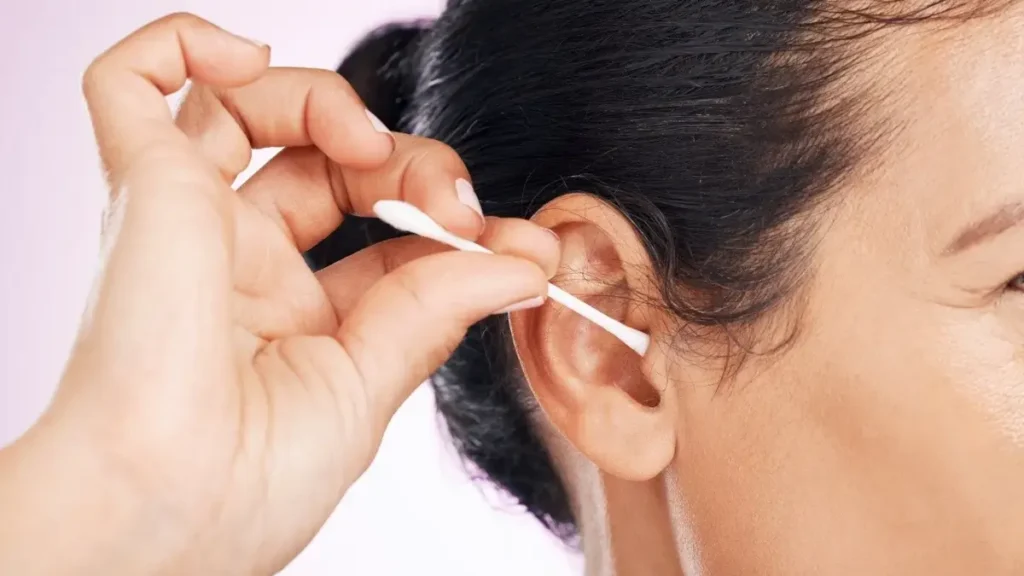
Keeping the Ears Clean.
Ears possess internal mechanisms that remove excess wax and protect the canal. Earwax is a substance that captures particles and maintains the skin inside the ear. Many individuals only require a soft cloth to clean the outer ear. Daily hygiene does not require the frequent cleaning of the internal ear canal.
Inserting cotton swabs or hairpins into the canal is a cause of physical damage – these objects are capable of pushing wax deeper, irritating the skin or harming internal structures. Clinical professionals are available to evaluate symptoms like a blocked sensation, decreased hearing or pain to determine the correct solution.
Protecting Against Loud Sounds.
Frequent exposure to high volume sounds is a source of physical stress for the hearing system. Construction equipment, power tools, sporting events and specific workplaces are environments with high decibel levels. Risk is a result of both sound volume and the duration of exposure. Avoiding unnecessary noise is a method for maintaining health.
Protective gear is useful when a person is unable to avoid loud environments. Earplugs and earmuffs are effective at reducing sound levels when used correctly. Listeners are also able to increase their distance from noise sources, take breaks and lower the volume on electronics – these actions are practical additions to a daily routine.
Managing Ear Infections.
Infections are possible at any age and affect different sections of the ear. Symptoms are pain, pressure, fluid, fever or hearing shifts. Serious or lasting symptoms are not matters to ignore. Medical evaluations are necessary to identify the cause and determine if a person requires medication.
Untreated problems are obstacles to communication – Children are sometimes unresponsive to sounds or ask for repetition when they have ear issues. Adults are likely to notice difficulties during phone calls or conversations. Professional advice is a way to ensure that a temporary concern is not missed.
Managing Moisture in the Ears.
Moisture is a factor in skin irritation and infections – Swimming and bathing are activities that leave water in the ear, especially if the canal is a specific shape. Frequent swimmers are often required to keep their ears dry to avoid recurring infections.
Drying the ears safely is better than inserting objects – A towel is useful for drying the outer ear after water exposure. Healthcare professionals are available to provide guidance if water remains trapped. Pain or swelling are conditions that require clinical attention rather than simple home drying.
Recognizing Changes in Hearing.
Hearing changes are often gradual – they are difficult to recognize immediately. Individuals are likely to increase the television volume or struggle to hear in restaurants – these shifts are often attributed to background noise or poor acoustics when the change is slow.
Monitoring these habits is a reason to seek a hearing evaluation. Specialists are able to test hearing and explain if the results are significant. For those seeking hearing aids Toronto, an assessment is a way to find appropriate technology for specific needs.
Using Personal Audio Devices Carefully.
Headphones are now common tools for work and entertainment. Listening habits are influential because these devices are often used for many hours. Low volumes and frequent breaks are ways to lower sound exposure.
Surroundings are also important – Users are prone to raising the volume when near traffic or machinery. Noise canceling headphones are a solution that allows for lower volumes in loud areas. Awareness of time and volume is a part of healthy habits.
Scheduling Hearing Assessments.
Regular tests are sources of information about changes that are not obvious. Testing is a way to show how well a person hears specific frequencies. The frequency of the appointments is dependent on age, noise history and medical records.
Assessments are vital when a change is persistent – A person is not required to wait for a total loss of communication before seeking help. Early identification is a way to understand causes and find management strategies.
Supporting Hearing Health at Work.
Workplaces are often locations with specific ear health challenges. Employees in manufacturing, landscaping or transportation are frequently near loud machinery. Safety measures are often provided by employers but workers are also responsible for using hearing protection.
Staff members are encouraged to monitor how they feel after a shift. Muffled hearing or ringing are signs that noise levels are too high. Discussing these symptoms with a specialist is a way to improve workplace safety.
Conclusion.
Ear care is more than hygiene – Protection from noise, moisture management and clinical checkups are all supports for health. Professional tests are tools for identifying hidden changes. By making ear health a part of general wellness, individuals are able to protect their hearing and address concerns effectively.

Leave a Reply