

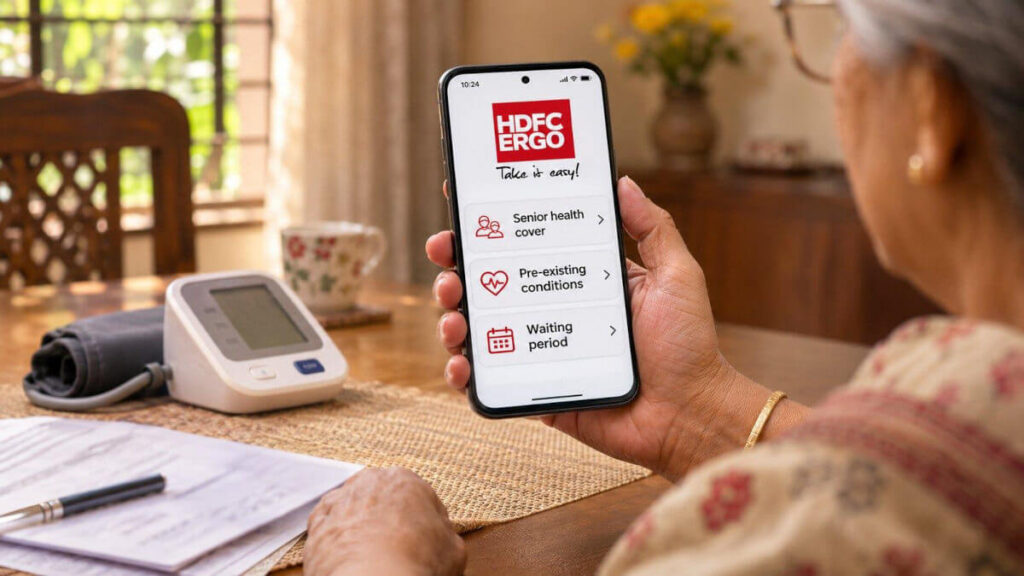
Yes, having diabetes, high blood pressure or heart disease after 60 does not automatically stop you from getting medical insurance in India. Health cover is available for older adults with long-term conditions.
However, the insurer will review your medical history before offering cover. The question is not simply whether a policy is available. It is whether that policy will help when you actually need treatment.
Does Having an Existing Illness Affect Approval?
It can, but the decision depends on your health rather than the name of the illness alone. For example, someone whose blood pressure is stable with regular medication may have a different medical profile than someone who was recently hospitalized for a heart problem.
An insurer may request medical reports, offer cover with special conditions or decline an application. Indian insurance rules encourage insurers to provide products for different age groups and existing health conditions.
Still, approval for any individual application is not guaranteed.
What Will the Insurer Want to Know?
Be ready to share details about your condition and its treatment.
Common questions include:
- Diabetes: Are you taking tablets or insulin? Have you had any related kidney, eye or nerve problems?
- High blood pressure: Is it controlled with medication? Have you experienced related complications?
- Heart disease: Have you undergone surgery, received a stent or needed hospital treatment?
- Medical history: Which medicines do you take, and what have recent test results shown?
Answer every question accurately, even when you feel well. Leaving out a diagnosis or treatment can create difficulties during a future claim.
Which Policy Features Deserve Your Attention?
For people above 60 who have diabetes, high BP or heart disease, the best medical insurance for senior citizens should offer benefits that match their existing health needs.
Pay attention to these important features:
- Pre-existing disease cover: Find out when treatment linked to your declared illness becomes eligible.
- Co-payment: Check whether you must pay part of every approved claim yourself.
- Room limits: See whether choosing a particular hospital room could increase your share of expenses.
- Hospital network: Look for nearby hospitals where eligible cashless treatment is available.
- Treatment limits: Check restrictions on specific procedures, conditions or expenses.
- Renewal: Understand how the cover continues as you grow older.
A policy with attractive benefits may still leave you paying substantial amounts if its limits do not fit your needs.
Will Your Existing Condition Be Covered Immediately?
Not always. A new policy may impose a waiting period before it covers treatment related to an existing illness. HDFC ERGO’s Energy Health Insurance Plan provides Day 1 cover for eligible hospitalization linked to diabetes or hypertension, subject to policy terms. New applicants aged 18 to 65 may be eligible, depending on underwriting.
Other pre-existing diseases, including certain heart conditions, may have separate restrictions or waiting periods. Routine medicines, consultations and blood tests are not automatically covered under hospitalization benefits unless specific outpatient cover applies. Check your policy schedule, exclusions and approved coverage before relying on treatment or surgery benefits.
How Can You Avoid Problems When Applying?
Start by collecting recent prescriptions, test results and discharge summaries, if any.
Then:
- Declare every known illness and ongoing medication.
- Complete any medical checks requested by the insurer.
- Ask for an explanation of additional premiums, exclusions or co-payment conditions.
- Check the final policy schedule against what was discussed.
- Keep copies of your disclosures and medical documents.
Already insured? Avoid letting existing cover lapse while exploring another policy. If you switch, ask how portability rules may protect waiting-period credit you have already earned.
What If an Insurer Declines Your Application?
A refusal does not mean every insurer will respond in the same way. Ask why the application was declined and whether another suitable product is available. Different plans can have different medical requirements and conditions. Do not hide a diagnosis when applying elsewhere. Accurate information remains essential.
Final Thoughts.
Diabetes, high BP and heart disease can make medical insurance after 60 more complicated, but they do not automatically rule it out. Suitable cover depends on your medical history, the insurer’s decision and the policy’s actual terms. Choose a plan you understand, disclose your health details fully and pay particular attention to waiting periods and your share of hospital costs. Those checks matter far more than an attractive headline benefit.
