


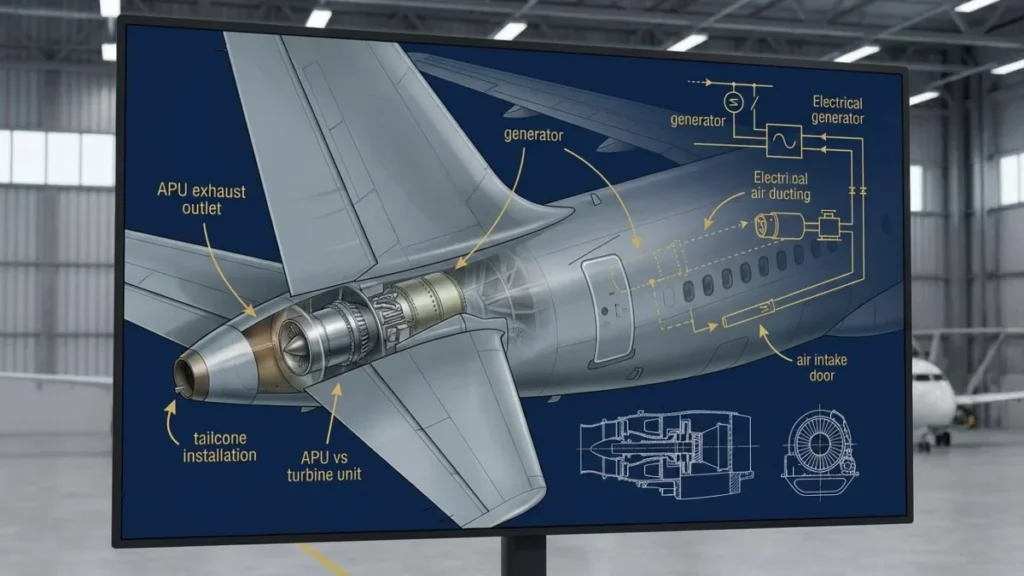
Scientific subjects are often difficult to understand because their outer surfaces hide internal parts. Connections and layers are frequently invisible to observers, which makes them hard to describe using only photos or standard drawings. Cutaway illustrations solve this problem – removing specific sections of an object to show the interior – this method allows students and researchers to see internal parts while keeping enough of the outer shape to show where those parts are. When artists create these images with precision, they make complex data easier to understand.
Showing Internal Structures.
Cutaway illustrations are tools that show parts that are usually invisible. An image of a heart, a motor or a rock formation reveals internal pieces while keeping part of the surface visible – this technique creates a link between the exterior and the interior. Observers are able to see what is inside and where those items are located within the whole object.
This method is helpful when the link between internal and external features is necessary to understand a concept. A standard diagram of an interior shows parts clearly but does not show their location within the full object.
A cutaway view keeps that spatial context. The viewer sees how an internal part fits into the surrounding area, which helps them remember the information.
Explaining Layers & Components.
Scientific subjects often consist of multiple layers with different purposes. Cutaway illustrations expose these layers in a tidy way so observers can see their arrangement – this is useful for explaining biological tissues, the makeup of materials or the build of technical systems. Artists represent each layer with specific details and names to create a complete view.
Layered images also show how different parts work together – As an example, an illustration shows multiple structures inside each other and the cutaway shows their connections – this makes it possible to explain relationships that are hard to describe through separate pictures. Instead of looking at many different diagrams, observers see the parts in one place.
Supporting Spatial Understanding.
Understanding where things are in space is a vital part of science. A structure has parts at different depths or in different directions and a flat drawing can make the positions hard to see. Cutaway illustrations provide depth – showing some areas and leaving others whole – this gives observers a better sense of how structures fill a physical area.
This technique also explains paths and connections that go through closed spaces. When a path is inside a structure, observers might know where it starts and ends but not how it travels. A cutaway shows the path and the area around it – this is helpful in anatomy, engineering and earth science where the internal position is part of the meaning.
Improving Scientific Explanations.
Cutaway illustrations help written text – providing visual proof for facts that would otherwise need long descriptions. A book might say that one part is under a specific layer. A precise illustration shows this relationship directly – this allows text and images to work together so the writer does not have to describe every tiny detail.
Teachers use these images to introduce hard topics slowly – An image starts with the outer shell before showing the inside – this helps students understand the basic shape before they look at complicated details. In a classroom, the amount of information shown matches the student’s knowledge so the diagram is not confusing.
Using Animation & Three Dimensional Models.
Motion and 3D models expand the use of cutaway illustrations – A scientific animation removes sections or turns an object to show internal parts while keeping the overall shape visible – this makes spatial links easier to follow because observers see how the inside and outside match as the image moves.
3D medical animations are also useful – These animations show body parts from different angles and show how they sit next to each other. A cutaway effect shows an internal area without removing the nearby anatomy – this provides context for structures that are hard to see in a 2D image.
Maintaining Accuracy.
The value of a cutaway illustration depends on scientific truth. Removing part of a structure must not create a false idea of its shape or position. Connections and locations must be correct. Even a beautiful drawing is a problem for education if it changes a structure in a way that alters the facts.
Accuracy requires choices about what to show and what to hide. A cutaway should show the facts needed for the lesson without changing the surrounding structure too much. Labels provide more clarity when many internal parts are visible. By mixing correct drawing with smart editing, designers create images that share complex facts responsibly.
Improving Audience Engagement.
A smart cutaway illustration is interesting because it shows things that are usually secret. The visual change makes observers look closely to see how parts fit together – this encourages active looking rather than just reading.
Interest should help understanding rather than being the only goal. Too much detail or dramatic effects can distract from the science. Useful cutaway illustrations have a clear purpose. Every part shown should help the explanation and every visual choice should help the observer understand the subject correctly.
Conclusion.
Cutaway illustrations are a good way to show scientific structures that are usually hidden. By showing internal parts and keeping the outer form, they show layers, positions and connections clearly. Their use grows with animation and 3D tools, while labels and specific details help people learn.
When created with accuracy, these illustrations turn complex interiors into information that people can see and understand.

Leave a Reply