


The design of metal panel systems to be used on multi-story commercial buildings must be highly synchronized to the performance of structures, environmental factors, and architectural purposes.
Such systems need to support the movement of buildings, withstand the higher wind loads, and be long-lasting in their construction whilst supporting the aesthetic requirements. An efficient system is also planned to take into account the sequencing of installation, conformity with other building envelope elements as well as maintenance.
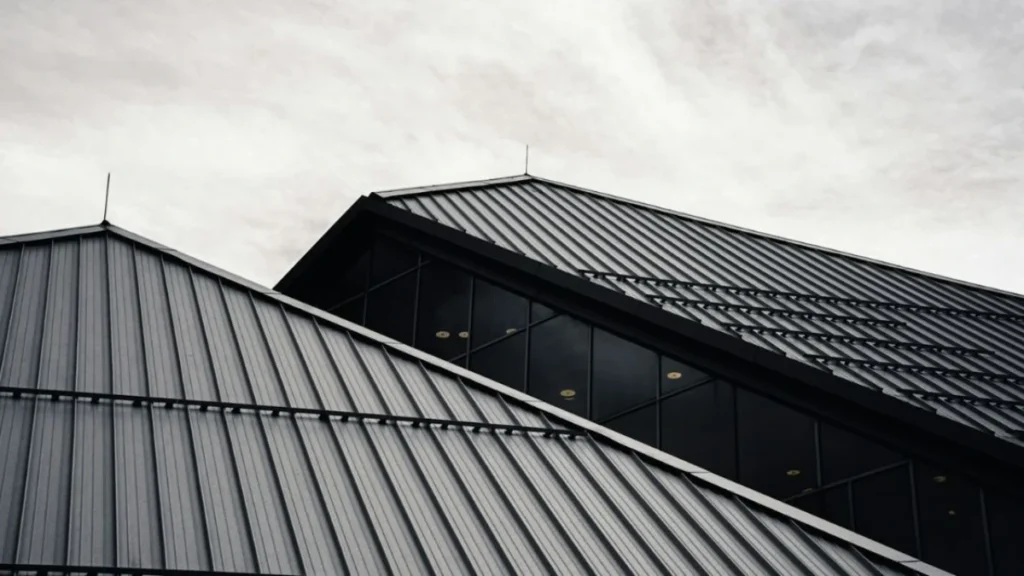
Metal panel systems can offer an efficient and aesthetically homogenous exterior solution when planned properly, and that which lasts throughout the building life.
Structural Coordination.
Multi-story buildings that have metal panel systems should be improved with the main structural design to maintain stability and functionality. The frame used in the building should be capable of holding the weight of the panels and also have the deflection of the load. The structural engineers must liaise with designers to know the limits of movement since even slight movement of a multi-story building may influence panel placement and bonding.
It should have proper anchoring systems to control the loads and evenly distribute the forces throughout the facade. These associations should be such that they withstand the wind pressure that builds up in association with building height. Deflection limits should also be taken into consideration to avoid the apparent panel distortion. Flexible systems of attachment can be used to ensure movement does not interfere with the integrity of the exterior system.
Heating, Ventilation, and Air Conditioning.
The most important condition in designing metal panels of tall buildings is thermal movement. Temperature variations cause the panels to expand and contract, and therefore may create stress at the joints and fasteners when not appropriately considered. Designers must introduce expansion joints and provide movement in the system as a way of preventing buckling or warping of the system.
The exposure to the environment is also dependent on the height with higher levels in the building having more winds as well as direct sunlight. That is why the choice of material and surface treatment systems are significant to preserve the look and to guarantee longevity. In most commercial ventures, the thermal performance of insulated metal panels is being employed in conjunction with providing improved thermal performance in addition to adding to a more controlled interior environment. Thermal breaks and continuous insulation should be observed all through the assembly and this is done properly through detailing to enhance energy efficiency.
Envelope Integration.
The metal panel system should be incorporated in a building envelope, which consists of air layers, vapor layers, and moisture control layers.
These components should be co-ordinated to avoid leakage of air and intrusion of water which may result in a long term performance problem. Envelope continuity is particularly significant in multi story building when a variety of trades are used.
The designers must make sure the details of the transition between the metal panels and other facade elements are properly detailed. Windows interfaces, curtain walls and roof systems should be designed to handle the shedding and drainage of water. In other instances, the insulated roof panels are being applied together with wall systems to form an integrated thermal envelope that facilitates the overall building performance. These connections can be maintained by proper sequencing and coordination during installation.
Panel Layout and Aesthetics.
The panel layout is of great importance in the appearance and the functionality of the multi-story facade. Regularity of joints and seams among the floors are used to aid in continuity in terms of appearance, as well as it makes installation easier. The relationship between panel sizes and panel orientations with building proportions is something that designers should take into consideration during the construction of a building so as to attain a balanced exterior composition.
In grid systems, panel placement is commonly organized and structural bays are generally aligned. It is a solution that will minimize waste and enhance efficiency in installations. The concern regarding symmetry, rhythm, and scale will make sure that the end result is coherent to the point where the upper levels are concerned. The design phase should be carefully planned to minimize the possibility of making changes in the field, which may cause irregularities in the completed facade.
Installation Planning and Maintenance Planning.
One of the factors that help make the implementation of metal panel systems on a multi-story building successful is installation sequencing. Panels should frequently be erected in phases which comply with the structural completion and access limitations. The scaffolding, lifts and safety systems coordination effort helps to enable crews to work efficiently as well as keeping a proper alignment and fastening process.
The design stage should also be able to take into account long-term maintenance. The inspection, cleaning and repair access should be put into the overall system design. Panels situated at a higher altitude can be stipulated with specialized tools to service them, hence making replacement processes simpler can save costs in the future. Use of durable materials and finishes will reduce the maintenance requirements and also maintain the look of the building even with time.
Multi-story commercial buildings have to be designed using metal panels that should be well balanced taking into consideration the structure, environmental exposure, and long term performance. Effective projects require inter-disciplinary coordination at the outset to have the panel system to fit in with the building frame, envelope elements, and architectural perspective. The focus on movement, load resistance and detailing will avoid the typical problems which are misalignment, water intrusion and early wear.
