


Portable storage containers are common tools for relocation, renovations and temporary storage. Many people overlook the importance of air movement. When air cannot move through a sealed container, the internal environment changes in ways that may harm stored items. Ventilation is useful because it balances humidity and temperature – this balance reduces the risk of damage to belongings that are sensitive to enclosed spaces.
It is important to understand how air movement affects storage conditions if you use these units for any length of time.
Items that are packed carefully may still deteriorate without proper airflow. Stability is particularly necessary for furniture, paper records and textiles.
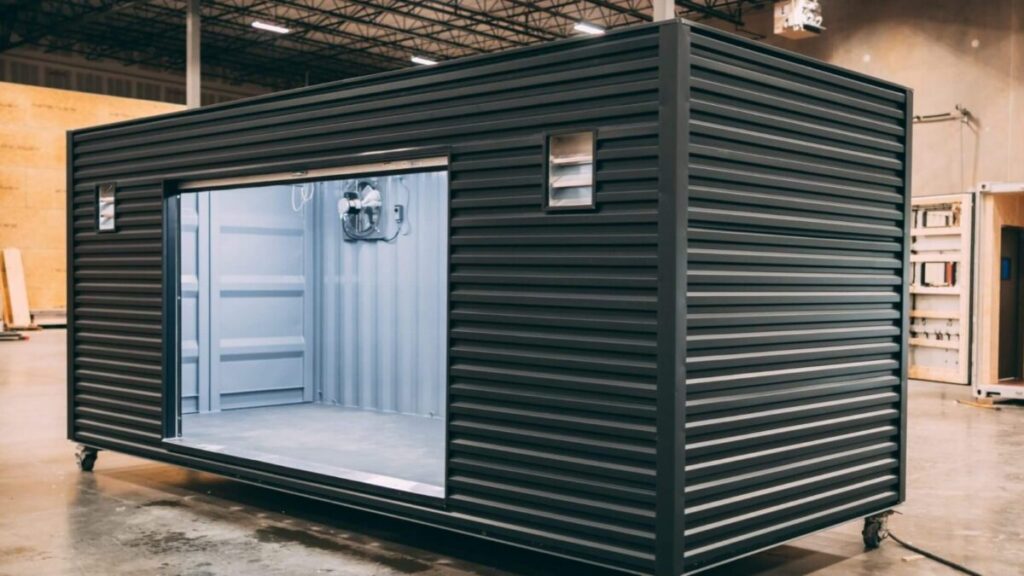
Managing Moisture in Enclosed Areas.
Moisture control is a primary benefit of air circulation in portable storage. Humidity levels often rise when air stays inside a container, especially as seasons change – this trapped water vapor can collect on surfaces as liquid droplets, which may affect stored goods.
Airflow is helpful because it allows humid air to move out of the container – this process reduces the likelihood of water building up on boxes, furniture and electronic devices. Ventilation is even more important in places for storage London Ontario, where humidity levels change frequently with the seasons.
Air Quality and the Prevention of Odors.
Air quality inside a closed container can become poor over time without a way for air to exchange. Still air often results in smells that are not pleasant, especially when items made of fabric, wood or upholstery are present – these odors can soak into materials and remain after you remove the items from the unit.
Circulation is a tool to keep the air fresh – It prevents the development of damp smells – this feature is useful during moves or home projects when items stay in a container for multiple weeks. Consistent air movement ensures the environment is stable and the items are in good condition when you need them.
Protecting Materials from Mold.
Mold growth is a significant risk in storage containers that lack airflow. Mold grows in dark, wet and still environments. If mold starts to grow, it can spread over surfaces and damage both natural and man made materials.
Ventilation is an effective way to lower these risks – limiting high humidity. Items like clothes, paper and wooden furniture are very susceptible to this type of damage. Even strong materials can suffer surface issues if moisture stays inside a unit for a long time.
Temperature Stability During Seasonal Shifts.
Temperature changes inside a container are often more extreme without ventilation. Heat increases during the summer, while cold air can cause moisture to turn into liquid when temperatures fall – these changes are stressful for materials and can cause them to wear out faster.
Air exchange is a method to moderate the temperature shifts. While ventilation does not provide full climate control, it prevents extreme heat buildup – this is helpful for long term storage where you do not access your belongings often.
Considerations for Long Term Storage.
Ventilation is a main factor in keeping items in good condition over long periods. Conditions inside a sealed space can change quickly, especially when you store many different types of materials together. Airflow ensures that items are ready to use when they are eventually removed.
Practical benefits are available for both families and businesses. As an example, people who use storage services in London, Ontario, for moving or seasonal needs find that ventilated containers lower the need for cleaning or repairs – this makes the storage process more efficient.
How to Maintain Sensitive Items.
Specific belongings are sensitive to the environment inside a storage container. Items like photographs, books, artwork, musical instruments and documents are at risk of damage when they are in spaces with high moisture and little air movement. Small changes in humidity are enough to cause objects to bend, change color or break down over time.
Effective ventilation is a way to make the environment stable for these objects. Air that moves constantly is helpful because containers are then less likely to have areas of damp air that harm materials – this protection is useful for people who store items that are expensive, functional or personally meaningful for a long time.
Methods to Manage Moisture During Temperature Shifts.
Portable storage containers are susceptible to internal moisture when temperatures vary between day and night. Liquid forms on metal walls, ceilings plus stored objects as the air temperature shifts – these conditions are damp and increase the possibility that boxes, furniture but also other items will sustain damage.
Airflow is a primary solution because it allows for a consistent exchange of air – this movement is helpful because it prevents moisture levels from rising and reduces the formation of water droplets on interior surfaces. Such measures are important during seasonal changes when temperature variations are frequent as well as inconsistent.
Conclusion.
Proper ventilation is a vital part of maintaining a stable environment inside portable storage containers. It is a way to manage moisture, keep air fresh, lower mold and limit damage from temperature changes. If you use a container for a short move or for a long duration, ensuring air can move will improve the condition of your belongings.
