


Indoor temperature differences between the day and the night can make living spaces feel inconsistent. Many homes are warmer during daylight hours plus cooler after sunset – these conditions are the result of changes in sunlight exposure, building materials and airflow patterns. Heat is absorbed but also released by walls, floors and furnishings throughout the day.
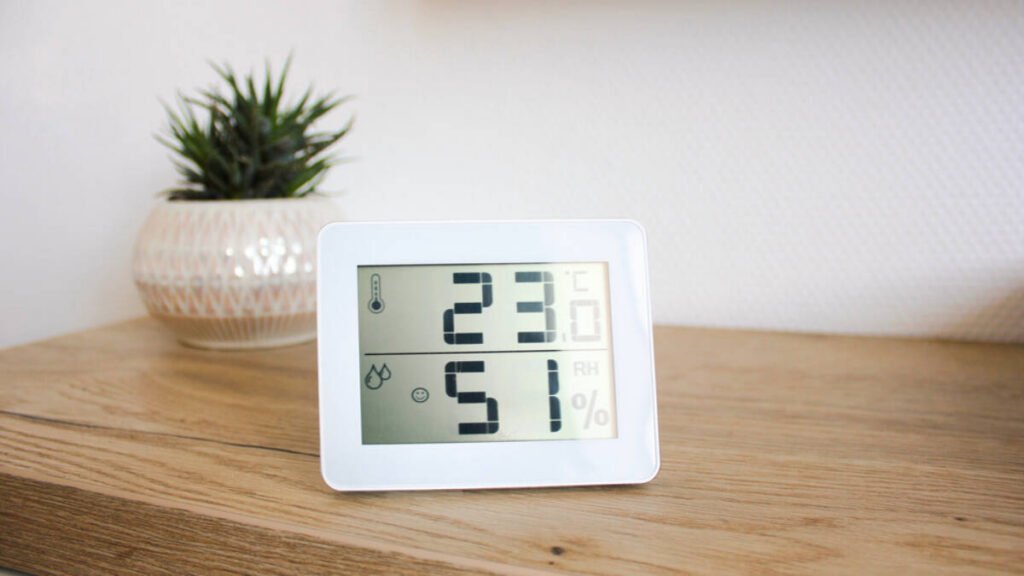
People who understand the reasons for these fluctuations are better able to create a stable indoor environment.
Understanding Daily Temperature Shifts.
Solar gain is often the cause of temperature variation – Sunlight enters through windows as well as heats interior surfaces like flooring, furniture and walls – these surfaces release heat slowly after the sun moves away – this stored energy affects indoor conditions into the evening or creates a delay between outdoor cooling and indoor comfort.
Buildings release accumulated heat more slowly than the outside air cools at night. Homes are often unable to balance this shift if they have limited insulation or uneven ventilation – these factors lead to cooler or warmer areas in different parts of the house. Outdated cooling systems or poorly timed heating cycles are also responsible for these differences, especially when systems are not set for gradual changes.
Improving Insulation & Airflow Balance.
Strengthening insulation next to improving airflow pathways are effective ways to lower temperature differences. Proper insulation is a tool that slows the rate at which heat enters during the day and escapes at night – this process creates a buffer that reduces extreme shifts plus maintains a consistent indoor climate at all hours.
Airflow is also important for evening out temperature variations. Certain rooms retain heat longer or lose it faster than others when air circulation is restricted. Temperatures are more even when vents are unobstructed and air moves freely between connected spaces. A professional evaluation, like air conditioning installation London services, is a helpful way to determine if system upgrades or adjustments are necessary for better distribution.
Enhancing Home Structure & Environmental Control.
Structure but also material choices influence how quickly homes respond to temperature changes. Dense materials, including concrete or brick, store heat during the day and release it slowly at night. Lighter materials as well as reflective surfaces lower this effect because they limit heat absorption and speed up cooling when temperatures drop.
Windows are a significant factor in daily temperature variation. Heat enters or escapes quickly through single pane glass or poorly sealed frames. Upgrading window treatments or sealing gaps is a method to lower this inconsistency. Small improvements in shading during peak sunlight hours are also useful to limit heating that causes imbalance when nighttime cooling begins.
Optimizing Systems & Daily Habits.
Mechanical systems and household habits are key to managing temperature consistency. Heating next to cooling systems that run on irregular schedules can increase the differences between day and night conditions. Adjusting settings so that temperature changes are gradual helps prevent sharp shifts. Air conditioner repair is sometimes necessary to restore system efficiency plus ensure stable performance.
Everyday behaviors also affect indoor temperature stability. Using appliances and operating lighting add heat during the day. Reducing heat sources but also timing tasks carefully are ways to prevent excess warming that lasts into the evening – these adjustments, combined with efficient system use, create a predictable indoor environment that is comfortable throughout the day.
Managing Indoor Temperature with Smart Controls.
Current smart thermostats and automated climate systems are effective at maintaining consistent indoor temperatures during the day plus night – these devices are responsive to real time indoor conditions instead of following set schedules – this method is helpful for minimizing the rapid changes in temperature that are common when the seasons or outdoor weather conditions change.
Automated controls are capable of identifying patterns in household activity to modify settings before residents feel too hot or too cold – these systems create a stable indoor environment – making small and frequent adjustments rather than infrequent but also large ones – this strategy is efficient for energy conservation and is beneficial for houses where the number of people as well as their actions change frequently.
Managing Internal Heat Sources Throughout The Day.
Common daily tasks add more heat to indoor spaces than many people expect. Activities like cooking, doing laundry, using electronic devices and keeping lights on produce warmth – this heat accumulates during the day. If these activities are frequent during short time frames, indoor temperatures are uneven – these conditions often last into the evening.
Lowering heat production and scheduling high energy tasks at different times are ways to keep indoor conditions stable. Appliances that use little energy are helpful for this goal. It is also beneficial to turn off devices when they are not active – these small changes are effective because they prevent internal sources from increasing the natural changes in temperature between day and night.
Conclusion.
Reducing indoor temperature differences requires structural improvements, airflow management and mindful system use. Homes are better able to absorb, store as well as release heat at a balanced rate when insulation, ventilation and habits work together – this creates a consistent living environment that is steady from morning to night.
